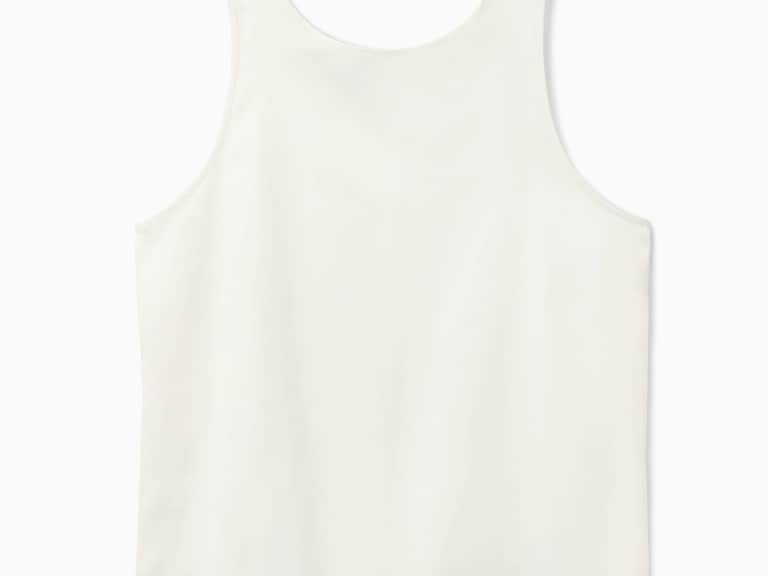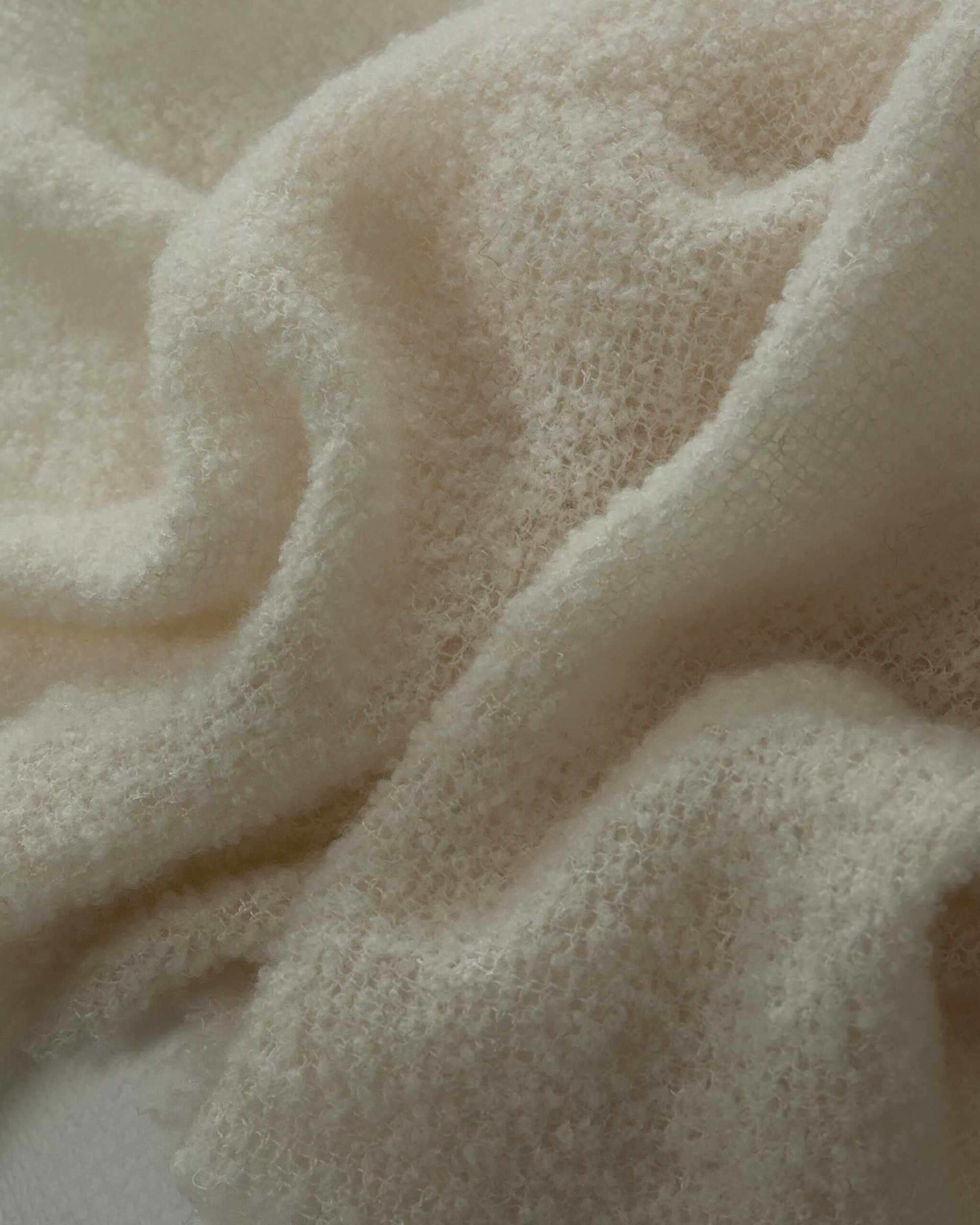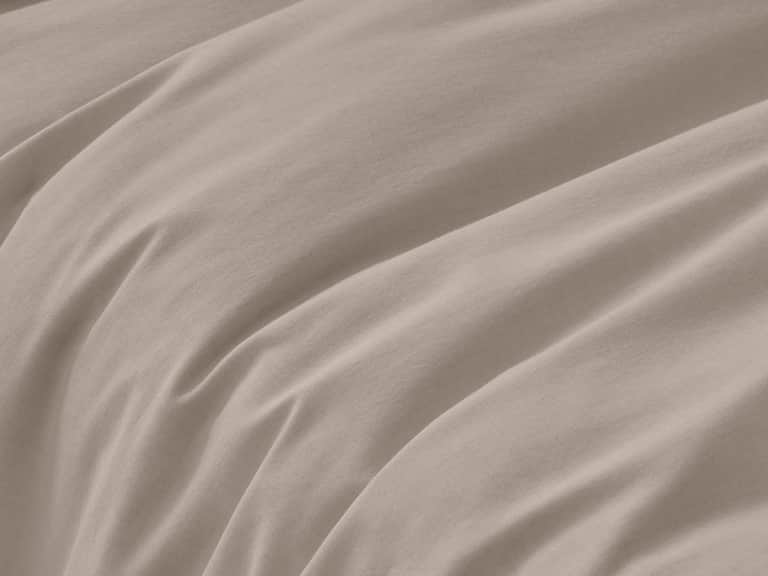
Smir Duvet Cover
Cuddle-worthy softness you can actually wash—this cotton-cashmere duvet cover feels plush and velvety, with a textured weave for durability, yet stays easy to care for in the machine. Sleep cozy, daily life effortless.
In a world where what we sleep on matters as much as what we wear, the certifications behind bedding and textiles have become a trusted compass for shoppers seeking responsibility, quality, and transparency. This guide breaks down the major standards shaping luxury throws, blankets, duvet covers, and pillow textiles—and translates label claims into actionable insight for discerning readers of wwwcashmere.com.
From GOTS to OEKO-TEX and Fair Trade, and the industry-specific markers that wire the supply chain, certification systems function as a public record of environmental stewardship, labor rights, chemical safety, and overall supply-chain integrity. Whether you are a consumer curating a responsible bedroom, a design professional sourcing for a hospitality project, or a student mapping the ethics of textile production, this article helps you navigate the landscape with clarity and confidence.
Certifications operate at the intersection of science, policy, and everyday choice. They set measurable standards, create accountability pathways, and provide a framework for brands to communicate commitments without sacrificing the tactile pleasures that define luxury textiles. The core benefits include:
Below is a practical primer on the major standards most commonly found on premium bedding items—throws, blankets, duvet covers, and pillow covers—along with what each covers and how to interpret claims when shopping for brands like Vispring, Sferra, and St Geneve that may appear on wwwcashmere.com.
GOTS is widely regarded as the premier standard for organic textiles. It covers the entire supply chain—from cultivation and processing of fibers to labeling and social criteria in manufacturing. For bedding, GOTS certification typically signals that the textile fibers (such as cotton or blends) originate from organic farming and have undergone environmentally and socially responsible processing, including restrictions on toxic chemicals.
OEKO-TEX focuses on chemical safety in textile products. A badge under Standard 100 indicates that tested components meet strict limits for harmful substances, ensuring a safe product for end consumers. It is commonly found on a wide range of textiles, including luxury bedding, where the emphasis is on skin compatibility and consumer health.
Fair Trade certification emphasizes equitable labor practices, fair wages, safe working conditions, and community development. In bedding and textiles, Fair Trade status can apply to the raw materials as well as the manufacturing environment, signaling a more holistic approach to social responsibility beyond environmental metrics alone.
Some textiles reference certifications tied to farm practices, animal welfare, or regional production standards. For example, fibers sourced with transparent origin stories (like responsibly raised wool or alpaca) may align with broader ethical labeling initiatives. In premium bedding, these signals help consumers assess not just the product, but the broader stewardship of the supply chain.
Label literacy matters. A well-constructed label can tell you more about a product’s responsibility profile than a glossy ad. Here are practical tips to interpret common claims:
When you’re choosing a high-end duvet cover or a cashmere blend throw, you may encounter multiple certifications on a single product. A practical way to prioritize is to map your values to the certification scope:
The product catalog on wwwcashmere.com features a curated assortment that includes high-quality throws, blankets, duvet covers, and decorative pillows. When evaluating items like the Smir Duvet Cover (Cotton and cashmere, 85% cotton / 15% cashmere, machine washable) or Mir and Tiub cashmere-and-silk blends, certification details may not always be printed on every product page. In such cases, use a few practical steps to assess responsibility:
To illustrate how these standards play out in practice, consider how shoppers approach select pieces such as a 100% cashmere throw or a GOTS-certified organic cotton throw. In many premium lines, a cashmere-focused product’s appeal lies in sumptuous comfort and longevity; when paired with a transparent supply chain and traceable origin, the luxury factor deepens—consumers gain confidence that their indulgence has measurable social and environmental accountability behind it. Similarly, a duvet cover made with a cotton-cashmere blend that carries a chemical-safety certification can reassure buyers that softness does not come at the cost of indoor air quality or skin health.
On wwwcashmere.com, you’ll find a curated set of premium textiles that showcase both luxury and responsibility. For example, a duvet cover like the Smir Duvet Cover, with its 85% cotton and 15% cashmere weave and machine-washable finish, represents a modern intersection of comfort and practicality. While the label highlights the fabric blend and care instructions, a consumer seeking certification-backed assurance may look for accompanying documentation or the brand’s sustainability notes that specify chemical standards or eco-friendly finishing processes. In the broader catalog, other items such as the Mir Throw and Tiub Throw present opportunities to consider fiber content alongside documentation of responsible sourcing where available. The thoughtful pairing of textiles—like a cashmere-dominant throw with a GOTS-certified organic cotton pillow cover—demonstrates how certification-driven decisions can guide layering, durability, and the overall feel of a bedroom.
A quick reference to help you read and compare labels with ease:
For readers who want to explore beyond product pages, consider consulting:
In the end, certifications aren’t just about ticking boxes; they’re about building trust and elevating everyday rituals. When you choose a duvet cover or a cashmere throw with clear, credible certification signals, you’re investing in a bedroom that feels as good about its impact as it looks and feels on the skin. This harmony between comfort and conscience is the high-fashion version of responsible living—an alignment of premium textiles with robust standards that make every night a little gentler for people and the planet alike.
The product lineup on wwwcashmere.com emphasizes premium materials, often featuring blends that prioritize softness and durability while maintaining ease of care. When evaluating items such as the Smir Duvet Cover (Society Limonta) or Mir Throw (Society Limonta), readers should also consider the broader supply-chain story behind the fabric—the origin of fibers, processing methods, and any third-party certifications the brand discloses.While this article focuses on the certification landscape, the practical takeaway for shoppers remains straightforward: seek transparency, compare certifications, and enjoy luxury textiles that honor ethical sourcing alongside exquisite handfeel.
If you’d like a practical, reader-focused content plan, we can craft a 8–12 week content calendar highlighting guides to certifications, case studies from the brand partners featured on wwwcashmere.com, and data-driven visuals that illuminate environmental and social metrics across product groups like bedding throws, blankets, and duvet covers.
Note: This article references widely recognized certifications and real-world brands. It aims to provide practical, consumer-facing guidance without endorsing or implying specific proprietary claims beyond what is publicly documented. When in doubt, consult the brand’s official sustainability disclosures and the certification bodies themselves for the most up-to-date standards and verification statuses.