Pillow covers serve as protective and decorative textiles that extend the life of inserts while enhancing the sleeping environment. In this category, the focus is on fabric composition, weave, and closure type, which influence feel, durability, and ease of care. Understanding fiber behavior helps in selecting covers that maintain texture and color after washing and daily use.
Common materials include cotton blends, organic fabrics, and wool blends, each offering different levels of breathability, softness, and temperature regulation. A best-practice approach considers weave density, thread count, and finish, which collectively impact comfort and resilience against wear from friction, zippers, or closures.
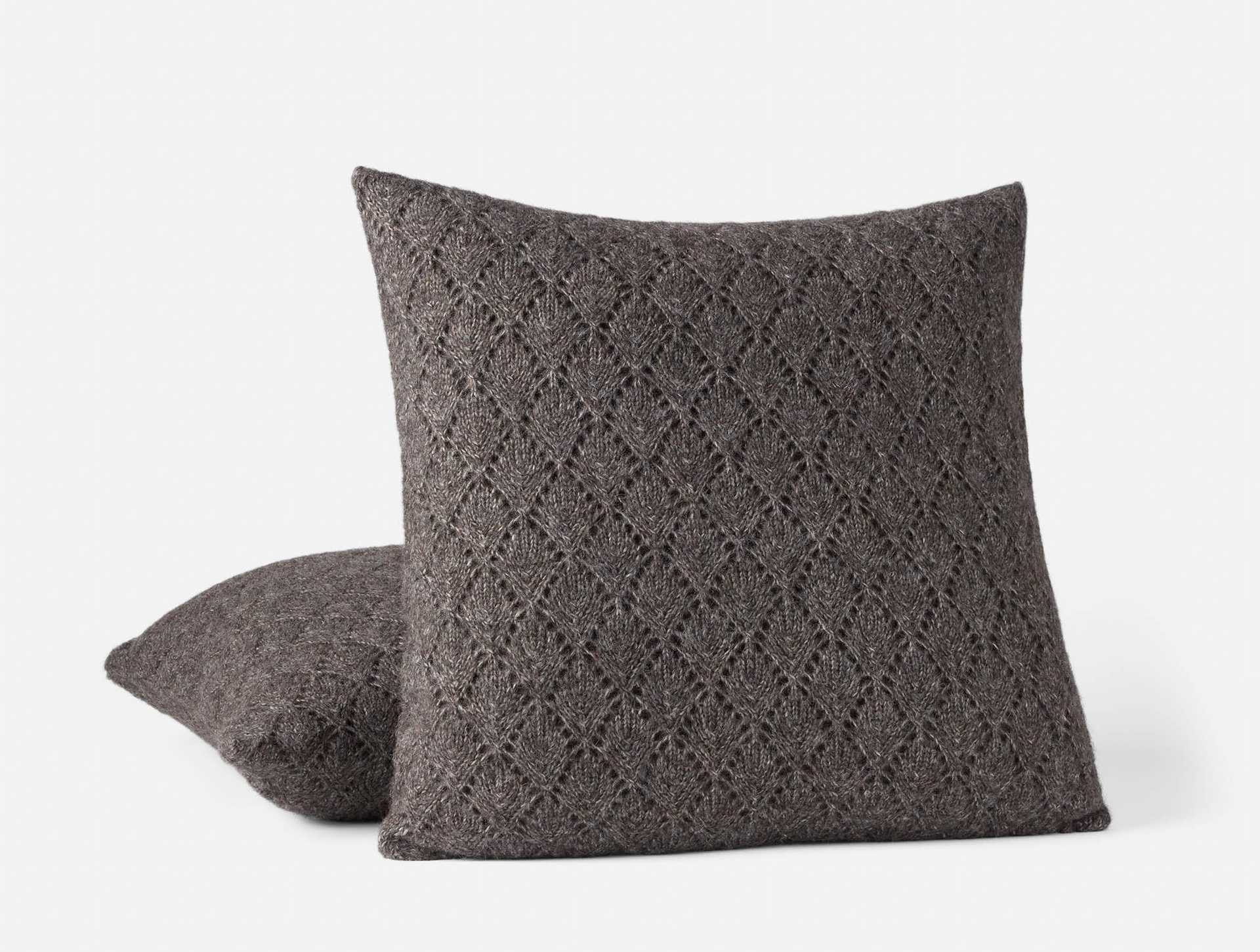
The Paracas Alpaca Cotton Knit Decorative Pillow Cover exemplifies how texture and fiber synergy contribute to a restful ambiance. Alpaca fibers provide warmth with lightweight warmth, while cotton knit adds softness and stretch. Functional benefits include machine-washable care and a durable surface that resists p pilling during daily use.
Key features to evaluate include closure style (zipper or envelope), hidden seams for a clean silhouette, and colorfast finishes that resist fading. For bedding and home textiles, compatibility with a range of inserts—from standard to hypoallergenic options—ensures proper fit and support across different pillow sizes.
Informed selection for pillow covers considers indoor air quality and material sustainability. Natural fibers like organic cotton and responsibly sourced alpaca can contribute to a healthier sleeping environment. Integrating keywords such as bedding, organic mattresses, comforters, wool comforters, and innerspring mattresses helps align content with related bedding and home textiles.
 Bedding